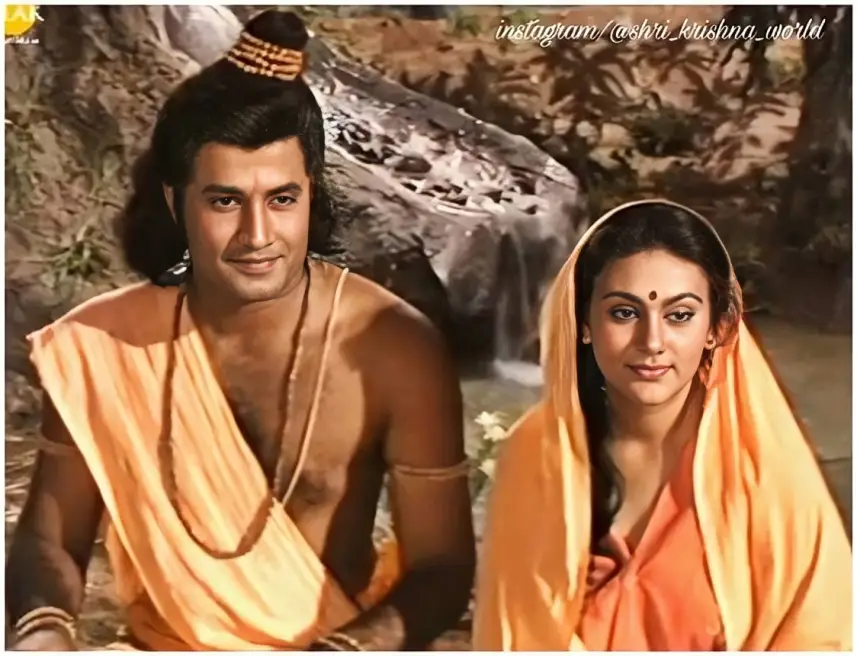
Kehte hain ki Mata Sita ne kauwa, tulsi, brahman, phalgu nadi aur gaay ko shraap diya tha. Isi liye aaj bhi Gaya mein tulsi nahi ugti, brahman kabhi santusht nahi hote, phalgu nadi sirf naam ki nadi ban kar reh gayi hai, aur kauwe hamesha ladai ke baad hi khana khate hain. Is katha ke peeche ek rochak aur gahan kahani chhupi hai, jise kam hi log jaante hain. Aaiye, is katha ko vistaar se jaanein.
Valmiki Ramayan ke anusar, Bhagwan Ram aur Mata Sita apne vanvaas ke dauran pitru paksh mein shraddh karne ke liye Bihar ke Gaya pahunche the. Wahan pinddaan ke liye ek brahman ne Bhagwan Ram aur Lakshman se aavashyak samagri ikattha karne ka anurodh kiya. Bhagwan Ram aur Lakshman aavashyak samagri lane ke liye nagar ki or nikal pade. Is beech, brahman ne Mata Sita se kaha ki pinddaan ka samay samaapt ho raha hai. Jab Mata Sita ne yeh suna to unka bhay badh gaya kyunki Shri Ram aur Lakshman abhi bhi wapas nahi aaye the. Isi dauran Raja Dasharath ki aatma ne Mata Sita ko suchit kiya ki pinddaan ka samay samaapt ho raha hai. Yeh sunkar Mata Sita asamajh mein padh gayi. Samay ki mahatta ko samajhte hue Mata Sita ne apne sasur Raja Dasharath ke liye pinddaan karne ka nirnay liya.
Mata Sita ne phalgu nadi ke kinare vidhi-vidhaan se Raja Dasharath ka pinddaan kiya. Is dauran vat vriksh, kauwa, tulsi, brahman aur gaay unke saakshi bane. Pinddaan ke baad Raja Dasharath ki aatma ne Mata Sita ki prarthana sweekar ki aur aashirwad diya. Mata Sita is baat se prasann hui ki Maharaj Dasharath ne unki pooja sweekar kar li hai. Jab Bhagwan Ram aur Lakshman wapas aaye, to unhe yeh jaan kar aashcharya hua ki pinddaan pehle hi ho chuka hai. Ram ko vishwas nahi hua ki bina unke aur bina samagri ke pinddaan kaise ho sakta hai. Mata Sita ne kaha ki phalgu nadi, tulsi, kauwa, gaay, vat vriksh aur wahan maujood brahman shraddh karm ke saakshi hain.
Jab Bhagwan Ram ne un sabhi se poocha, to phalgu nadi, tulsi, kauwa, gaay aur brahman ne jhooth bol diya ki Mata Sita ne pinddaan nahi kiya. Keval vat vriksh ne satya bataya ki Mata Sita ne vidhi-vidhaan se pinddaan kiya tha. Is jhooth se krodhit hokar Mata Sita ne sabhi ko shraap de diya:
- Phalgu Nadi: Shraap diya ki yeh nadi keval naam ki nadi ban kar reh jaayegi aur ismein paani nahi hoga. Aaj bhi Gaya mein Phalgu nadi sookhi rehti hai.
- Gaay: Shraap diya ki iski pooja to ki jaayegi lekin keval iske pichhle hisse ki pooja hogi aur ise bhojan ke liye bhatakna padega. Aaj bhi Hindu dharm mein gaay ke pichhle hisse ki pooja hoti hai.
- Brahman: Shraap diya ki woh kabhi santusht nahi hoga aur chahe woh kitna bhi kama le, woh hamesha garib rahega. Isi liye brahman kabhi daan-dakshina se santusht nahi hote.
- Tulsi: Shraap diya ki woh jahan bhi jaayegi wahan ki mitti mein kabhi nahi ug paayegi. Aaj bhi Tulsi Gaya ki zameen mein nahi ugti.
- Kauwa: Shraap diya ki woh hamesha bhojan ke liye ladai karega. Aaj bhi kauwa akele khana nahi khata.
Satya bolne ke kaaran, Mata Sita ne vat vriksh ko lambi umar ka vardaan diya. Vat vriksh doosron ko chhaya dega aur ek samarpit patni use yaad karegi aur apne pati ki lambi umar ki kamna karegi.
*************************
माता सीता के श्राप की कथा: कौआ, तुलसी, ब्राह्मण, फल्गु नदी और गाय
कहते हैं कि माता सीता ने कौआ, तुलसी, ब्राह्मण, फल्गु नदी और गाय को श्राप दिया था। इसीलिए आज भी गया में तुलसी नहीं उगती, ब्राह्मण कभी संतुष्ट नहीं होते, फल्गु नदी सिर्फ नाम की नदी बनकर रह गई है, और कौवे हमेशा लड़ाई के बाद ही खाना खाते हैं। इस कथा के पीछे एक रोचक और गूढ़ कहानी छिपी है, जिसे कम ही लोग जानते हैं। आइए, इस कथा को विस्तार से जानें।
वाल्मिकी रामायण के अनुसार, भगवान राम और माता सीता अपने वनवास के दौरान पितृ पक्ष में श्राद्ध करने के लिए बिहार के गया पहुंचे थे। वहां पिंडदान के लिए एक ब्राह्मण ने भगवान राम और लक्ष्मण से आवश्यक सामग्री इकट्ठा करने का अनुरोध किया। भगवान राम और लक्ष्मण आवश्यक सामग्री लाने के लिए नगर की ओर निकल पड़े। इस बीच, ब्राह्मण ने माता सीता से कहा कि पिंडदान का समय समाप्त हो रहा है। जब माता सीता ने यह सुना तो उनका भय बढ़ गया क्योंकि श्री राम और लक्ष्मण अभी भी वापस नहीं आए थे। इसी दौरान राजा दशरथ की आत्मा ने माता सीता को सूचित किया कि पिंडदान का समय समाप्त हो रहा है। यह सुनकर माता सीता असमंजस में पड़ गईं। समय की महत्ता को समझते हुए माता सीता ने अपने ससुर राजा दशरथ के लिए पिंडदान करने का निर्णय लिया।
माता सीता ने फल्गु नदी के किनारे विधि-विधान से राजा दशरथ का पिंडदान किया। इस दौरान वट वृक्ष, कौवा, तुलसी, ब्राह्मण और गाय उनके साक्षी बने। पिंडदान के बाद राजा दशरथ की आत्मा ने माता सीता की प्रार्थना स्वीकार की और आशीर्वाद दिया। माता सीता इस बात से प्रसन्न हुईं कि महाराज दशरथ ने उनकी पूजा स्वीकार कर ली है। जब भगवान राम और लक्ष्मण वापस आए, तो उन्हें यह जानकर आश्चर्य हुआ कि पिंडदान पहले ही हो चुका है। राम को विश्वास नहीं हुआ कि बिना उनके और बिना सामग्री के पिंडदान कैसे हो सकता है। माता सीता ने कहा कि फल्गु नदी, तुलसी, कौआ, गाय, वट वृक्ष और वहां मौजूद ब्राह्मण श्राद्ध कर्म के साक्षी हैं। जब भगवान राम ने उन सभी से पूछा, तो फल्गु नदी, तुलसी, कौआ, गाय और ब्राह्मण ने झूठ बोल दिया कि माता सीता ने पिंडदान नहीं किया। केवल वट वृक्ष ने सत्य बताया कि माता सीता ने विधि-विधान से पिंडदान किया था।
इस झूठ से क्रोधित होकर माता सीता ने सभी को श्राप दे दिया:
- फल्गु नदी: श्राप दिया कि यह नदी केवल नाम की नदी बनकर रह जाएगी और इसमें पानी नहीं होगा। आज भी गया में फल्गु नदी सूखी रहती है।
- गाय: श्राप दिया कि इसकी पूजा तो की जाएगी लेकिन केवल इसके पिछले हिस्से की पूजा होगी और इसे भोजन के लिए भटकना पड़ेगा। आज भी हिंदू धर्म में गाय के पिछले हिस्से की पूजा होती है।
- ब्राह्मण: श्राप दिया कि वह कभी संतुष्ट नहीं होगा और चाहे वह कितना भी कमा ले, वह हमेशा गरीब रहेगा। इसीलिए ब्राह्मण कभी दान-दक्षिणा से संतुष्ट नहीं होते।
- तुलसी: श्राप दिया कि वह जहां भी जाएगी वहां की मिट्टी में कभी नहीं उग पाएगी। आज भी तुलसी गया की जमीन में नहीं उगती।
- कौआ: श्राप दिया कि वह हमेशा भोजन के लिए लड़ाई करेगा। आज भी कौवा अकेले खाना नहीं खाता।
सत्य बोलने के कारण, माता सीता ने वट वृक्ष को लंबी उम्र का वरदान दिया। वट वृक्ष दूसरों को छाया देगा और एक समर्पित पत्नी उसे याद करेगी और अपने पति की लंबी उम्र की कामना करेगी।
यह कथा हमें सत्य की महत्ता और झूठ के परिणामों के बारे में सिखाती है। माता सीता द्वारा दिए गए श्राप और वरदान से हम यह समझ सकते हैं कि सत्य का साथ देने वालों को हमेशा सम्मान और आशीर्वाद मिलता है, जबकि झूठ बोलने वालों को अपने कर्मों का फल भुगतना पड़ता है।
*******************************
The Curse of Goddess Sita: The Crow, Tulsi, Brahmin, Phalgu River, and Cows
According to religious scriptures, wherever a part of Goddess Sati fell, it became a revered Shaktipeeth. One such Shaktipeeth is the Harsiddhi Temple in Ujjain. However, there’s a lesser-known story about why Tulsi doesn’t grow in Gaya, why Brahmins are never satisfied, why the Phalgu River is merely a river in name, and why crows always fight before eating. Let’s delve into the detailed story behind these curses by Goddess Sita.
As per Valmiki Ramayana, during their exile, Lord Ram and Goddess Sita reached Gaya in Bihar for performing the Shraddh rituals for their ancestors. The Brahmin conducting the ceremony requested Lord Ram and Lakshman to collect the necessary items for the ritual. Consequently, Lord Ram and Lakshman left for the town to gather these items.
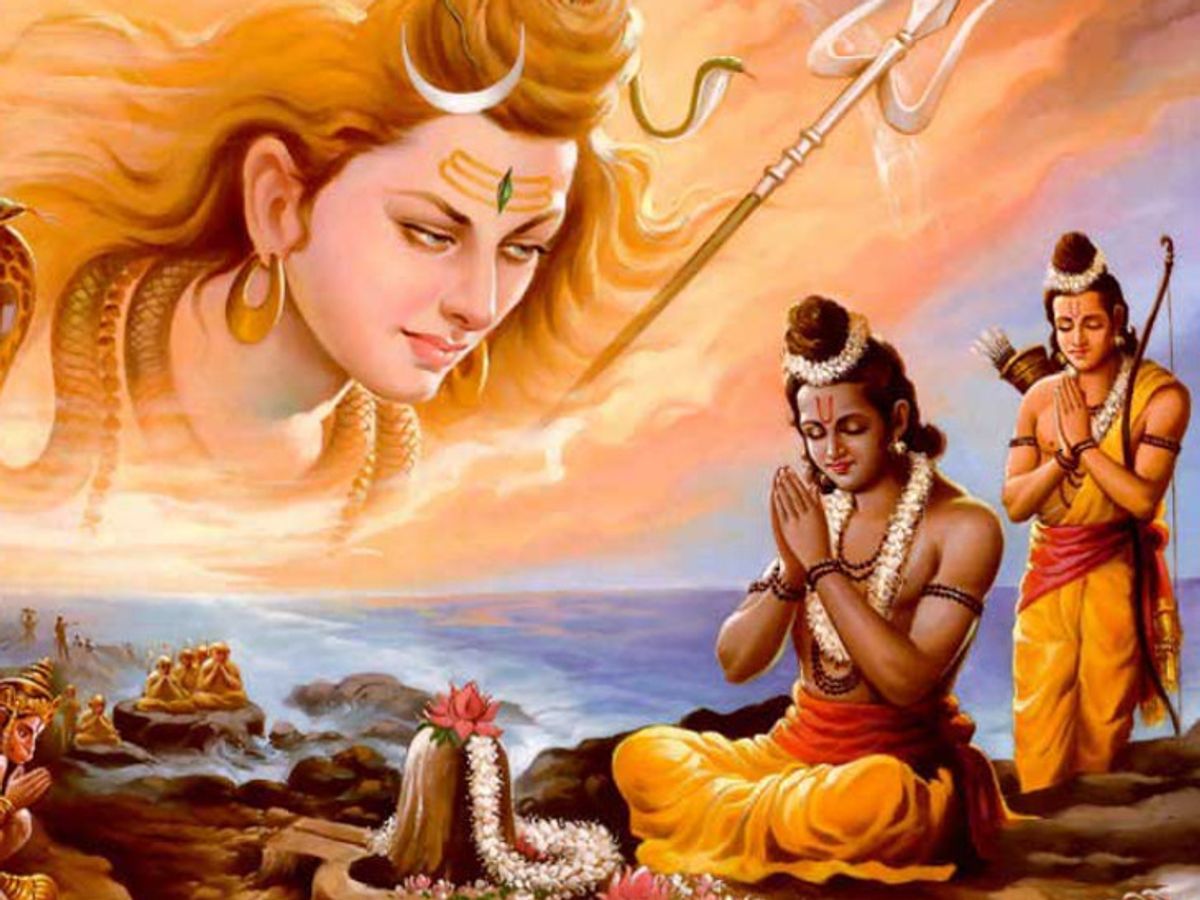
In their absence, the Brahmin informed Goddess Sita that the auspicious time for the ritual was slipping away. Growing anxious, Goddess Sita feared that her husband and brother-in-law might not return in time. At that moment, King Dasharath’s spirit appeared and told Sita that the time for the ritual was indeed ending. Understanding the importance of time, Sita decided to perform the ritual herself.
Goddess Sita conducted the Pind Daan ritual for King Dasharath by the Phalgu River, making offerings and invoking the blessings of the sacred entities present: the river, a banyan tree, a crow, Tulsi, Brahmins, and cows. After completing the ritual, King Dasharath’s spirit accepted the offerings, leaving Sita elated. However, she was concerned about how Lord Ram would react to the ritual being conducted without him.
When Lord Ram and Lakshman returned with the necessary items, they were surprised to learn that the ritual was already done. Lord Ram found it hard to believe that the ritual could be completed without his participation and the required items.
To resolve the doubt, Goddess Sita called upon the Phalgu River, the crow, Tulsi, the banyan tree, the Brahmins, and the cows as witnesses to her performing the ritual. However, except for the banyan tree, all other entities falsely claimed that Sita did not perform any ritual.
Infuriated by their false testimonies, Goddess Sita cursed each of them:
- Phalgu River: Sita cursed the Phalgu River to be waterless, reducing it to just a river in name. To this day, the Phalgu River in Gaya remains dry for most of the year, with only a sandy bed.
- Cow: The cow was cursed to be worshipped only from the back. Consequently, in Hindu rituals, the rear part of the cow is often worshipped, and cows are seen wandering in search of food.
- Brahmin: Sita cursed the Brahmins to be never satisfied, no matter how much wealth they receive. This is why Brahmins are often seen as never being content with donations.
- Tulsi: She cursed Tulsi so that it would never grow in the soil of Gaya. Even today, Tulsi doesn’t grow naturally in Gaya’s soil.
- Crow: Sita cursed crows to always fight for their food. Thus, crows are often seen fighting over food before they eat.
On the other hand, Goddess Sita blessed the banyan tree for telling the truth. She granted it longevity and the ability to provide shade to others. The banyan tree became a symbol of truth and fidelity, often revered by devoted wives praying for the long life of their husbands.
This story from the Valmiki Ramayana illustrates the profound impact of Goddess Sita’s curses and blessings, explaining why certain customs and natural phenomena persist to this day. The tale reminds us of the significance of truth and the divine power of blessings and curses in Hindu mythology.